



When Women Lead: Radical Hospitality and Healing
I want people to know when they come here that this is a great place. This is a place of love.
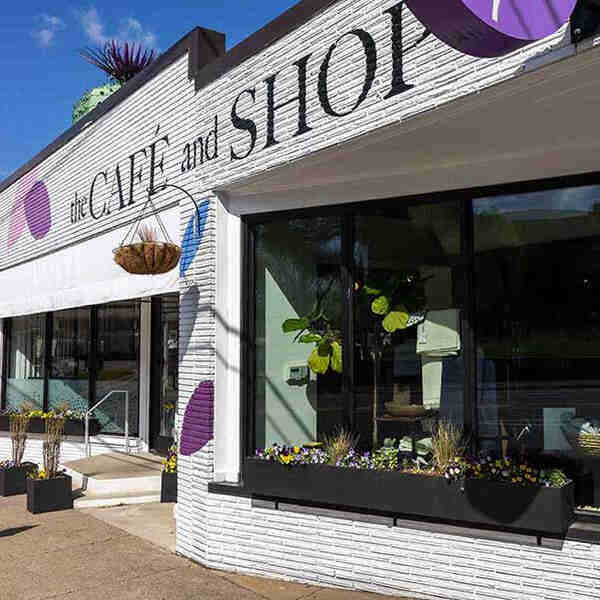
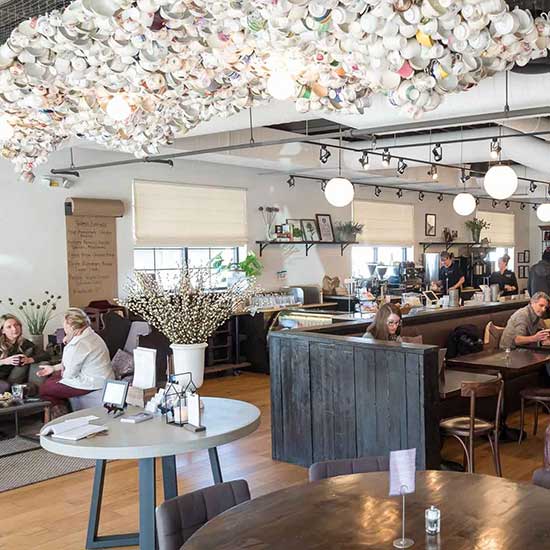
The Café at Thistle Farms is a tangible sign of healing and serving others.
After making and selling candles, essential oils, and lotions for a decade, Thistle Farms saw the opportunity to expand into another industry in 2013: Hospitality.
Restaurants themselves are often a line of work that causes the people who work within it to turn to alcohol and different substances to deal and unwind. Between the long shifts working the grill or those nights where you get one bad table after another, it is notoriously stressful.
So, how does an organization opening a Café when so many of the people who would be working there are in recovery themselves make it successful?
Easy. They would have to do it differently. It’s the Thistle way.
Thistle Stop, Thistle Go
“I started working here, maybe 2014? About a year after it first opened, yeah,” recalled Donna, Kitchen Prep Manager for The Café at Thistle Farms and 2016 Graduate. “We were just making sandwiches and had a panini press. The kitchen part was very small, and we had an itty bitty little sink.”
“I was working at St. A’s when they came over and told me they thought I’d be a good fit for the Café,” said Tasha, Front of House Team Member and 2011 Graduate. “So, I started working here, not the first day, but a couple of weeks in.”
Both women did it all – worked the register, made coffee and tea, set up the Café for the open mic and singer-songwriter nights known as Thistle Thursdays by moving tables and chairs. And, as Donna proudly shared, she made a bacon sandwich for none other than Kevin Bacon himself. “I called it The Baconater and I got a picture with him!”
In the early days of the Café, Donna shares what it meant to her to work alongside people who were overwhelmingly other women in the program. “When I got here from Detroit, it was the first time ever in my life that I was able to meet people just like myself. One of the things that really started my healing was seeing women who did the same stuff I did on the other side. That gave me hope that this could really work.”
“When I came in, all I knew was that I didn’t want to use anymore. I’m not perfect, but all I wanted to do was the right thing,” added Tasha. “That’s how I sit here today. I work on my mistakes and try to be a better person than I was when I made the mistake. I try to stay as honest as possible and just try to love everybody.”
That love came full circle when, a few years in, Tasha had a sudden stroke while working.
“I didn’t really know what was going on with me at the time. All that was going through my head was that I was ready to get back to work, because this was my lifeline,” recalled Tasha, who took a moment before continuing. “I’m about to cry talking about it, because everybody was there for me. I didn’t have insurance because I was young and my mind wasn’t there yet. But this Café and Thistle Farms? They paid for everything. I didn’t receive one bill.”
Pulling up a Seat at the Table
As the Thistle Stop Café grew, it underwent a renovation in 2017 to become The Café at Thistle Farms. And in doing so, it welcomed in more staff from outside of the Residential Program. But like everyone who ends up in the Thistle Farms orbit, they were all there for a reason.
“I always said, you got here and trust me, God brought you here for a reason. Because while you’re here, you learn different lessons,” said Donna.
Today, the Café employs graduates and current residents of the program, as well as women and men from community partners who serve those that have struggled with substance abuse, experienced homelessness, or are justice-impacted.
Revelations
Leadership isn’t always intentional, and the women of Thistle Farms often step into the role of being a leader for others long before they ever have the ambition to do so. Take Tasha, for example, who inspired and lead other women like Donna, simply by modeling how to reach back for the next woman.
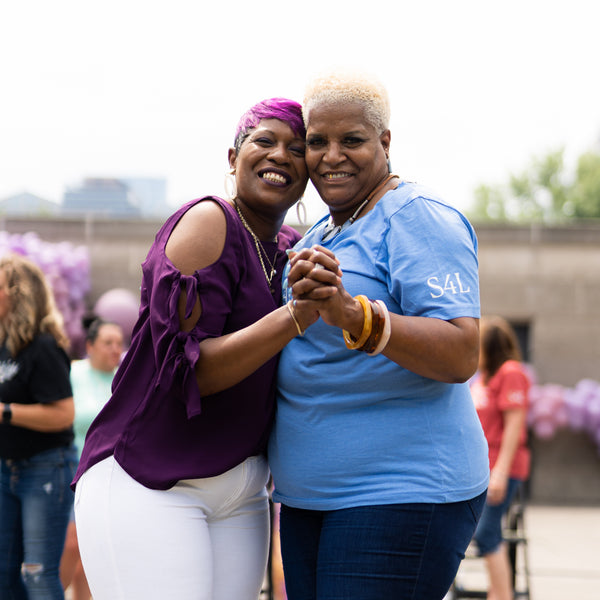
“Tasha used to give me rides to the meetings and to work and take me to church,” shared Donna, looking across the table to Tasha. “I looked up to her. I used to say, “Girl, you got 99 jobs!” because she’d leave here and go work somewhere else, then go to another job after that!”
But Tasha’s work ethic wasn’t the only thing that impressed Donna. “One thing I picked up on from her was that there were certain women here who did not relapse – and that was something I did not want to do. Tasha helped mold me. We’re true friends. We done fussed and cussed each other out, but we’ve got a certain bond, Tasha and me. So that’s how I stayed, watching her. She helped me know that I could do it because she did it.”
“We’ve all come a long way. Some of us came in here broken, and I mean broken. But if you want this life, you really have to work for it,” added Tasha. “And I want people to know when they come here that this is a great place. This is a place of love.”
“This place was made different,” said Donna. “It’s almost like the Café is in my blood, watching it here from the beginning and how everything has grown and changed. That’s the same with Tasha, too. It’s in our blood.”


