




Centering Lived Experience Is Not a Strategy, It’s Who We Are
There is a particular kind of wisdom that comes from lived experience. It doesn’t come from theory or observation, it comes from surviving, from rebuilding, from choosing, again and again, to believe in the possibility of something different.
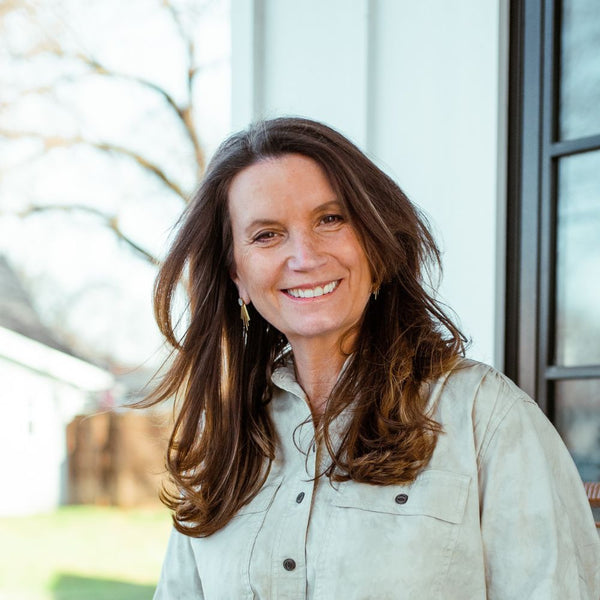
A Letter from CEO, Tasha Kennard
There are moments in leadership when you realize that the most important thing you can do is not speak but listen.
At Thistle Farms, we talk often about being “survivor-led,” and I have come to understand that this isn’t a tagline or even a strategy. It is a daily practice. It is a discipline. And at times, it is a humbling reminder that the people closest to the pain are also closest to the solutions.
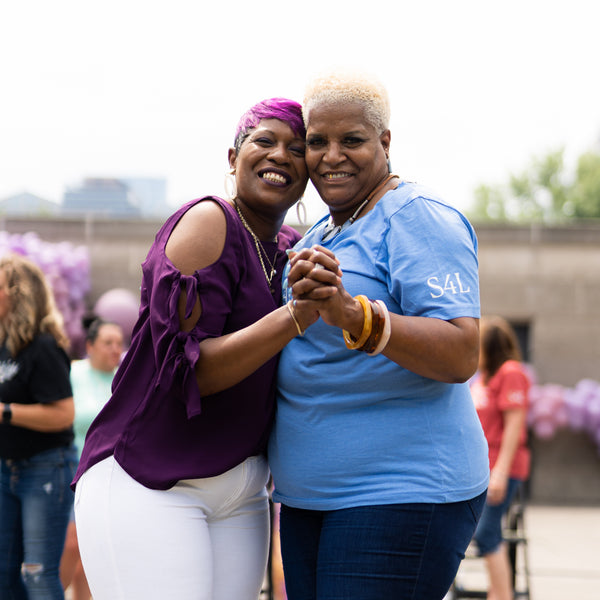
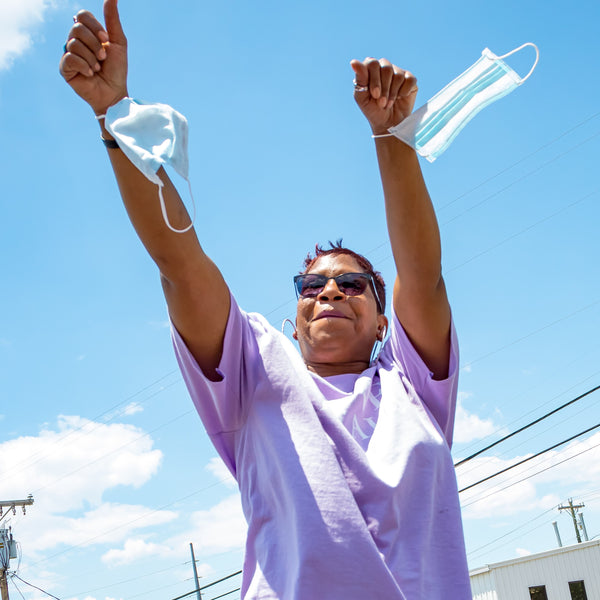
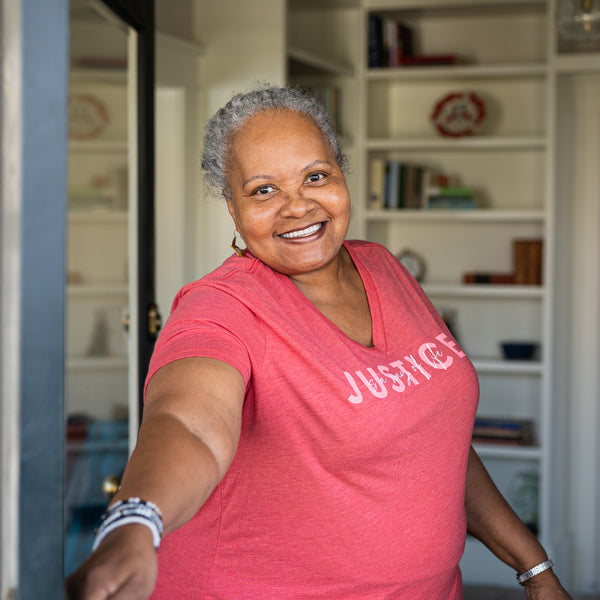
Every day, I have the privilege of working alongside women who have survived trafficking, prostitution, addiction, and systems that too often failed them. They are not just participants in our programs—they are leaders, colleagues, mentors, and visionaries. They are shaping the organization in ways that honor their journeys.
And they are shaping me, too.
There is a particular kind of wisdom that comes from lived experience. It doesn’t come from theory or observation, it comes from surviving, from rebuilding, from choosing, again and again, to believe in the possibility of something different. That kind of wisdom changes how you see the world. It changes how you make decisions. It changes what you prioritize.
It also changes what you refuse to compromise.
At Thistle Farms, centering lived experience means that our programs are not designed for survivors—they are designed with and by them. It means that when we’re making decisions about housing, employment, or community, we are not guessing what might work. We are listening to women who have walked that path and trusting what they know to be true.
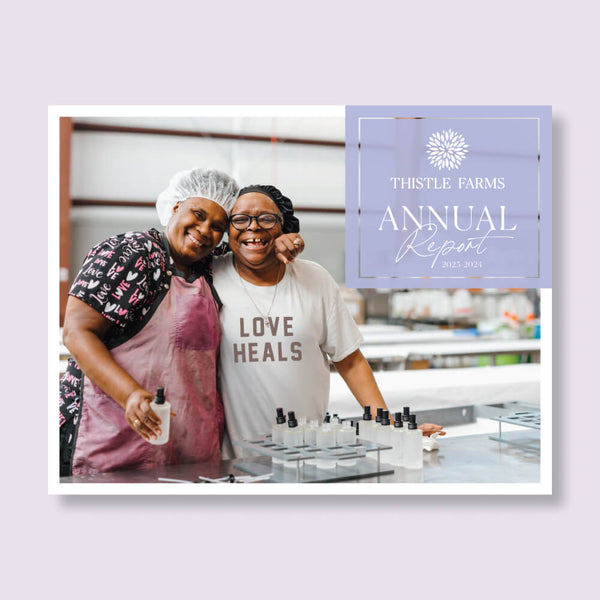
It means that leadership doesn’t always look the way people expect it to. It looks like a graduate mentoring a new resident through her first weeks of sobriety. It looks like a woman managing operations in our manufacturing center, ensuring that every product reflects not just quality, but pride. It looks like voices in community meetings—honest, sometimes hard, always rooted in a shared commitment to growth and healing.
It also means we have to be willing to shift power.
That’s not always easy. True collaboration requires letting go of the idea that leadership is about having the answers. It requires creating space for voices that have historically been overlooked or dismissed and then actually allowing those voices to influence outcomes.
But when we do that—when we truly center lived experience—we build something stronger, more resilient, and more real.
We build trust.
And trust is the foundation of everything we do.
I often think about the women who come through our doors for the first time. Many arrive carrying stories of harm, betrayal, and systems that didn’t see them. The last thing they need is another organization telling them what their lives should look like.
What they need is a community that believes them. That listens. That honors their voice not as an afterthought, but as a guiding force.
That is the work.
Centering lived experience doesn’t just make our programs better—it makes them possible. It ensures that healing is not something we prescribe, but something we walk through together. It keeps us accountable to the very mission we claim to serve.
And it reminds us, every single day, that leadership is not about standing at the front of the room.
It’s about walking with her.


